
Body World
Gunther von Hagens - "Body World"
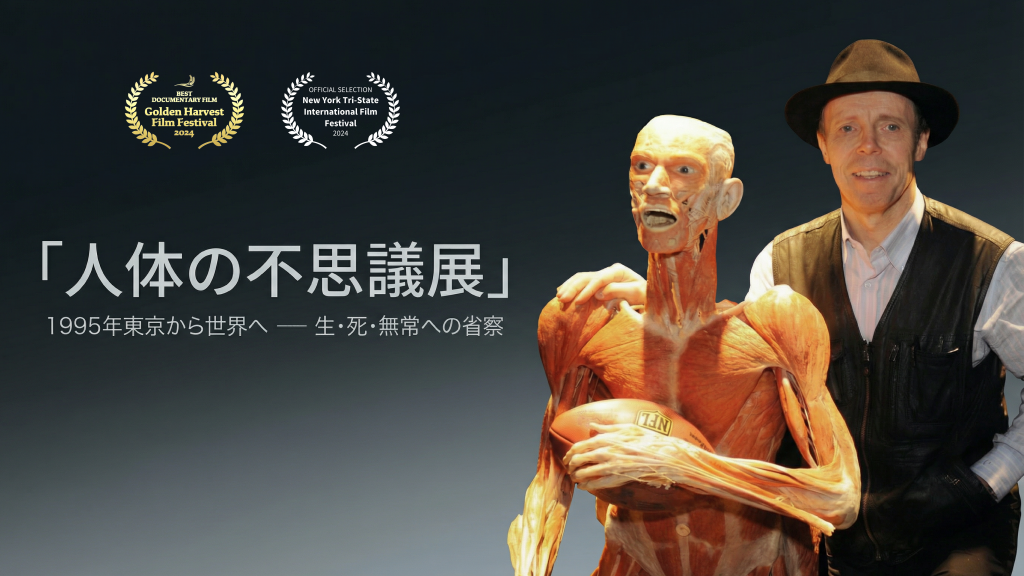
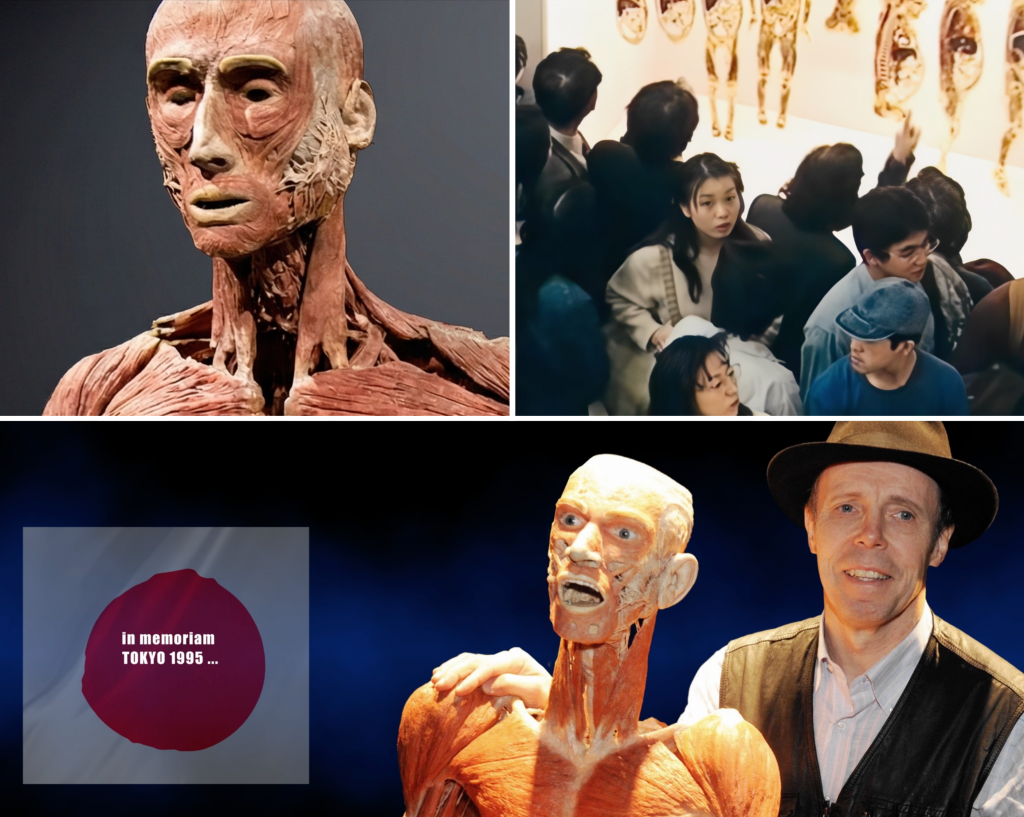

In 1995, Tokyo became the place where an unusual scientific idea reached a wide public audience for the first time and quietly changed how many people would come to view the human body.
This documentary tells the story of how the anatomical exhibition “Body Worlds” developed from a medical concept into an internationally recognized cultural event. At its center is anatomist Gunther von Hagens, the inventor of plastination, a method that preserves human bodies for educational purposes and allows their internal structure to be studied in detail. What began as a scientific innovation later became an exhibition that was seen by more than sixty million visitors worldwide.
The decisive moment occurred in Tokyo. The exhibition attracted strong public interest and discussion, and it was here that the project moved from a specialized scientific context into broader international awareness. In Japan, where reflections on life, death, and impermanence have long been part of cultural discourse, the exhibition found a particular resonance. From this starting point, the project expanded across continents and into museums around the world.
The film includes interviews and historical material that document the development of the exhibition and the challenges involved in bringing it to the public. It shows how an idea that initially met skepticism gradually gained acceptance and international recognition.
The documentary presents anatomical specimens strictly within a medical and educational framework. Its focus lies on understanding the structure and function of the human body. At the same time, the film encourages viewers to reflect on broader questions about human existence, mortality, and the relationship between science and society.
More than a chronicle of exhibitions, the film traces the development of a long term scientific and cultural project and the historical moment in Tokyo that marked its international beginning. It invites audiences to look at the human body with curiosity, respect, and a renewed awareness of its complexity and significance.
「人体の不思議展」 1995年東京から世界へ ─ 生・死・無常への省察
本作は、人体を解剖学的・科学的な視点から捉えるとともに、その文化的・哲学的な意味を見つめ直すドキュメンタリー映画です。
プラスティネーションを発明し、世界的に知られる「人体の不思議」展を生み出した解剖学者、グンター・フォン・ハーゲンスを中心に描かれています。
本作では、1995年の東京での展示がいかにして決定的な転機となったかをたどります。この東京での成功を皮切りに、解剖学展は世界へと広がり、その後5,500万人以上が来場しました。
本作はこの成功を歴史的・社会的な文脈の中に位置づけ、とりわけ日本で大きな反響を呼んだ理由にも光を当てています。
本作の核となるのは、パーキンソン病を患う前に収録された、グンター・フォン・ハーゲンス本人への率直で私的なインタビューです。科学的なアイデアから国際的な成功に至るまでの、抵抗と困難に満ちた長い道のりが、本人の言葉で語られています。
その語り口は穏やかで内省的であり、ドラマチックな誇張はありません。 本作には、人体の構造と機能を理解するための解剖図や標本が登場します。これらはすべて医学的・教育的な文脈においてのみ提示されており、センセーショナリズムや興味本位の意図は一切ありません。
映像表現は科学的な解説と歴史的背景を軸としており、人体の仕組みと生命の有限性について、客観的かつ内省的に向き合うよう観る者を誘います。 また、日本向けに特別に制作されたバージョンでは、生と死、そして無常といった日本文化の根幹にある概念を取り上げ、仏教思想との結びつきにも触れています。こうした考察は、「自然の奇跡」である人体を敬意と責任をもって扱うことの大切さを浮き彫りにしています。
本作はドキュメンタリー作品として構想され、主に教育的・文化的な目的を追求しています。暴力、性的表現、差別を助長または美化するような内容は含まれていません。
2024年、東京のドキュメンタリー映画祭で受賞しました。 以上の理由から、本作は一般の観客を対象とした作品であり、その内容は適切な事実的・文化的文脈においてのみ理解されるべきものです。